The Ultimate Setup Guide for Your Contour Rollermouse Red Wireless
Introduction
The Contour Rollermouse Red Wireless occupies a distinctive place in ergonomic input devices: a centrally positioned pointing solution that places the cursor control directly between the hands, beneath the keyboard. For users who spend long hours on a laptop or desktop—writers, developers, designers, data analysts, and other knowledge workers—the Rollermouse Red Wireless promises to reduce reach, minimize wrist pronation, and keep both hands close to the typing position. This article provides a thorough, practical guide to setting up the Rollermouse Red Wireless, evaluates its real-world performance, outlines what buyers typically care about, and helps readers decide whether it fits their workstation and workflow.
Product review and analysis
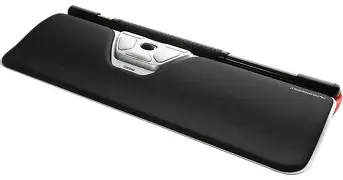
The Rollermouse Red Wireless is built around Contour's signature roller bar: a long, soft-rubber bar positioned centrally that moves the cursor when rolled or nudged. Unlike traditional mice, which are manipulated with one hand on the side of the desk, the Rollermouse encourages a neutral shoulder and reduced forward reach because it sits on the desk directly below the keyboard. The wireless variant removes a cable from the equation, making it simpler to integrate with laptop-centric setups.
Key design elements to consider:
- Roller bar control: The primary input is the roller bar. It reads small lateral movements for cursor travel and provides a tactile, low-force method of control. It is smoother for linear navigation tasks such as scrolling through documents or moving the cursor across spreadsheets.
- Button layout: Buttons are arrayed above and around the roller bar to enable common actions—left/right click alternatives, drag lock, scroll wheel functions, and programmable shortcuts in some configurations. The layout keeps frequently used controls within thumb and index-finger reach so hands can stay on the keyboard more often.
- Wrist support: Integrated or detachable wrist support helps maintain wrist alignment. The support's height and cushion firmness matter for comfort over extended sessions.
- Connectivity: The wireless model typically offers wireless pairing via a 2.4 GHz receiver and/or Bluetooth, enabling multi-device setups and eliminating cable clutter common in laptop stations.
- Compatibility and drivers: The device generally works with major operating systems without extra drivers for basic functionality. Contour provides configuration software for button remapping, button profiles, and sensitivity adjustments. Where drivers are unavailable or unnecessary, OS-level settings can handle pointer speed and primary button selection.
Performance in common workflows:
- Office productivity: The Rollermouse excels when work requires frequent switching between typing and pointing—editing spreadsheets, composing emails, or navigating large documents. The reduction in hand travel speeds small, frequent cursor actions and reduces interruptions in typing flow.
- Creative work: In graphic design or photo editing, the device offers reasonable precision for pointer tasks but may take time for users accustomed to high-DPI side mice. Users who require fine-grained, rapid pointer movements often pair the Rollermouse with software adjustments or use it for navigation while retaining a traditional mouse for detailed edits.
- Software development: Developers benefit from the keyboard-centered workflow: quick access to shortcuts and code navigation complements the Rollermouse's low-friction cursor control, and drag-lock features can assist in selection tasks in IDEs.
- Gaming: The Rollermouse is not primarily designed for competitive gaming. Its strengths lie in comfort and efficiency for productivity, not in low-latency high-speed pointer performance expected by many gamers.
Build quality and ergonomics
Contour's Rollermouse line is generally well regarded for robust construction and office-oriented ergonomics. The Red Wireless model balances a compact footprint with a stable, non-slip base. The roller bar usually provides consistent feedback and requires less grip force than a conventional mouse, lowering forearm muscle activity. Conditioning for some users is required: muscle memory learned from years of using a right-handed mouse must be re-formed to use the center bar effectively. For many, this adaptation lasts a few days to a few weeks and is rewarded with reduced discomfort in the shoulders and forearms.
Setup guide: step-by-step (third-person instructions)
This section walks through a practical setup and initial optimization routine. The instructions assume a basic wireless Rollermouse Red Wireless and a typical laptop or desktop environment.
1. Unpack and inspect
When the owner unboxes the device, inspection should confirm presence of the Rollermouse, any detachable wrist support, a charging cable (if rechargeable), a USB wireless receiver (if supplied), and any documentation. A quick visual check ensures the roller bar moves freely and buttons do not stick.
2. Choose placement
The optimal location is centered immediately below the keyboard's space bar. For laptop users, the Rollermouse should be centered relative to the internal keyboard or the external keyboard the laptop is paired with. For compact desks, measure that the platform allows the forearms to rest comfortably on the desk or wrist rest while the shoulders stay relaxed.
3. Power and connectivity
If the model uses a USB receiver, insert it into an easily accessible USB port—preferably one directly on the laptop or a powered hub. For Bluetooth-capable units, pair through the OS's Bluetooth settings. If both methods are available, choosing Bluetooth frees a USB port; however, the 2.4 GHz receiver sometimes provides slightly lower latency and a more consistent connection in congested wireless environments.
4. Charge or insert batteries
If rechargeable, connect the included cable and let the device charge fully before first use. If battery powered, insert recommended batteries, observing polarity. Confirm the device's power indicator confirms a proper battery or charge status before continuing.
Shop the latest Laptops & Computers picks on Amazon.
See Deals →5. Configure pointer speed and button mapping
Basic pointer speed adjustments can be handled in the operating system’s mouse settings. For advanced button remapping and macros, the owner should install Contour’s configuration software where available. Within the software, typical steps include:
- Assigning left/right click functions to accessible buttons for fast two-hand use.
- Enabling or disabling drag-lock for prolonged selections.
- Adjusting roller sensitivity and any built-in scroll acceleration.
- Saving per-application profiles if supported—useful for switching between an IDE and a design app.
6. Adjust wrist support and posture
Arrange the wrist rest so the wrists float lightly, with a neutral wrist angle. The forearms should be roughly parallel to the desk surface. Shoulders should be relaxed and not elevated; reducing desk height or raising the chair may be necessary to achieve this. The keyboard and Rollermouse should form a single horizontal plane so hands move seamlessly between typing and pointing.
7. Practice and adapt
Expect a short adaptation period. Recommended exercises include navigating long documents, using keyboard shortcuts in tandem with the Rollermouse, and practicing precise pointer tasks slowly. Gradually increasing speed will build accuracy and comfort.
8. Maintenance
Keep the roller bar and the surrounding surface free of dust and debris. Wipe the wrist rest with a soft, damp cloth as recommended in the product manual. If the roller's action feels gritty over time, follow Contour’s cleaning and care suggestions rather than using solvents or abrasive cleaners.
Pros & Cons
- Pros:
- Reduces hand travel and keeps hands near the keyboard, improving workflow efficiency.
- Ergonomic design can ease shoulder and forearm strain over long sessions.
- Compact footprint compared to a full-sized mouse pad and mouse.
- Wireless option minimizes desktop clutter and improves portability for laptop users.
- Programmable buttons and profiles (where supported) improve productivity in specialized applications.
- Cons:
- Learning curve for users transitioning from traditional mice; initial drop in speed or precision is common.
- Not optimized for fast, twitch-based gaming; some gamers may find it unsuitable for competitive play.
- Some creative professionals may prefer a high-DPI side mouse for pixel-perfect control in design software.
- Availability of configuration software and features can vary by OS and model—advanced remapping can be limited without vendor software.
Comparison table: Rollermouse Red Wireless vs common alternatives
| Feature | Contour Rollermouse Red Wireless | Traditional Side Mouse | Vertical Ergonomic Mouse |
|---|---|---|---|
| Ergonomics | Excellent for reducing reach and keeping hands centered; good wrist support | Varies; many designs increase pronation and reach | Good for reducing wrist pronation but still requires lateral reach |
| Learning curve | Moderate — requires retraining motor patterns | Low — familiar to most users | Low to moderate — grip changes required |
| Precision for creative work | Good for navigation; moderate for pixel-perfect tasks | Typically high, especially for high-DPI models | High in many models, with stable pointer control |
| Desk footprint | Compact and centered below keyboard | Small-to-moderate beside keyboard | Moderate; often slightly larger than a basic mouse |
| Best for | Heavy typists, office professionals, multi-task workflows | General users, gamers, designers requiring fine control | Users with wrist discomfort from pronation; ergonomic improvements |
Buying guide: what buyers typically care about
When evaluating the Rollermouse Red Wireless, buyers generally consider several practical factors beyond the headline ergonomic benefits. The following checklist covers the essentials, framed around real-world concerns.
1. Ergonomic fit and desk layout
Buyers should check desk depth and keyboard position to ensure the Rollermouse can sit centered below the keyboard without causing the user to hunch forward. For small desks or lap use, portability and compactness matter.
2. Connectivity options
Laptop users often prefer Bluetooth to free a USB port, while users with crowded RF environments or those who need plug-and-play consistency may favor a 2.4 GHz USB receiver. Multi-device pairing is a plus for cross-device workflows.
3. Battery life and charging
Long battery life reduces interruptions. Rechargeable units are preferred for sustainability; replaceable batteries may be better for users who need immediate swaps without downtime. Confirm charging cable type and expected full-charge time.
4. Software and customization
Programmable buttons and per-application profiles are valuable for power users. Buyers should confirm the vendor’s software supports the buyer’s operating system and whether updates and support are actively maintained.
Looking for the best Laptops & Computers deals on Amazon?
Browse Now →5. Comfort and materials
Cushion firmness, tactile quality of the roller bar, and the surface material all affect comfort over extended sessions. Where possible, trying the device in person or verifying a generous return policy mitigates the risk of a poor fit.
6. Intended use
Consider primary tasks: if the workload is mostly typing, navigation, and selection, the Rollermouse shines. If the workflow requires rapid, high-precision pointer movement for extended periods (e.g., professional-level gaming, certain types of photo retouching), complementing the Rollermouse with a dedicated side mouse may be sensible.
7. Warranty and support
Ergonomic equipment is an investment in health. Buyers should review warranty length, support channels, and the vendor’s repair/replacement policies in the event of mechanical issues.
8. Return policy and trial period
Because ergonomics are personal, a flexible return window or trial period greatly reduces risk. Buyers should seek retailers or vendors that permit testing over several weeks.
Practical tips from real users
Users who have successfully integrated the Rollermouse into daily routines often report the following practical adjustments:
- Start with short sessions and gradually increase daily usage to allow tendons and muscles to adapt.
- Combine the Rollermouse with keyboard shortcuts and macros to minimize pointer reliance and maximize speed.
- Keep the laptop or monitor at eye level to avoid neck strain, since the Rollermouse encourages more static hand position but does not affect head posture.
- Use lightweight mouse acceleration settings initially; aggressive acceleration can reduce the feel of fine control on a roller bar.
- If switching between multiple workstations, keep a consistent setup posture—desk height, keyboard tilt, and wrist support position—to preserve ergonomic benefits.
Conclusion
The Contour Rollermouse Red Wireless is a considered solution for users prioritizing an ergonomic, keyboard-centric workflow. Its central roller bar and button layout reduce the need to reach for a side mouse, supporting a neutral posture that can alleviate shoulder and forearm strain over time. While a learning curve exists and its design may not suit every specialized high-precision task, the device delivers clear advantages for prolonged typing and multitasking sessions typical of laptop-based work.
Buyers should weigh connectivity preferences, the availability of customization software, and their own desk geometry when deciding. For those willing to adapt and optimize their workstation, the Rollermouse Red Wireless can be a transformative addition—improving comfort, reducing interruptions in typing flow, and contributing to a healthier daily computing routine.