The Real Truth: Fujifilm Instax Mini 41 or Sony Fe 50 150Mm F2 Gm?
Introduction
Choosing a new photographic tool often comes down to clarifying purpose: is the goal to capture immediate, tactile memories or to expand creative reach with high-performance optics? The Fujifilm Instax Mini 41 and the Sony FE 50-150mm F2 G Master (GM) occupy very different places on the photographic spectrum. One is an analog instant camera designed around spontaneity and physical prints; the other is a professional-grade telephoto zoom lens engineered for high-resolution digital imaging. Comparing them directly is intentionally provocative, but it reveals useful truths about buyer priorities, real-world use cases, and how photographers choose tools to solve distinct problems.
At a glance: why this comparison matters
Many buyers weigh emotional value and convenience against technical capability. The Instax Mini 41 delivers instant gratification and social experiences. The Sony 50-150mm F2 GM delivers optical excellence, fast autofocus, and creative control for demanding digital work. This article breaks down what each product actually does well, where compromises lie, and which kinds of users will get the most value from each.
Fujifilm Instax Mini 41 — Detailed review and analysis
What it is and who it's for
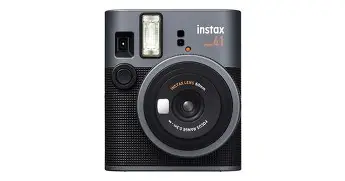
The Instax Mini 41 is a compact instant camera that produces credit-card-sized prints on Fujifilm Instax Mini film. It targets casual photographers, party-goers, and anyone who values physical prints and low-friction sharing. It is designed to be simple to use: point, shoot, and hand a print to a friend moments later. It is not meant to compete with digital cameras in terms of resolution or dynamic range; its value is emotional and experiential.
Design, handling, and usability
Fujifilm emphasizes a lightweight, pocketable design with intuitive controls. The Mini 41 typically includes automatic exposure modes, a selfie mode, and a built-in flash. For buyers who prioritize ease of use, the camera reduces decision fatigue: there are few settings to wrestle with, and the tactile act of watching a photo develop adds to the appeal. The battery life and film cost are practical considerations—film packs and battery replacement are recurring expenses that influence how often the camera is used.
Image aesthetic and print quality
Instax prints deliver a distinctive look: warm color shifts, soft contrast, and a nostalgic character. These attributes are part of the product's charm. In real-world use, lighting conditions and composition matter more than technical metrics; backlit scenes, high-contrast environments, and small print size can accentuate the film's limitations. However, for parties, travel souvenirs, or creative projects that embrace imperfection, the Instax aesthetic is often a feature, not a flaw.
Real-world use cases
- Events and parties: instant prints double as keepsakes or guestbook entries.
- Street-style storytelling: handing out prints creates moments of connection.
- Creative projects: layering prints into mixed media or wall collages.
- Learning composition: the limited control encourages focusing on framing and timing.
Practical considerations
Buyers should consider ongoing costs (film and batteries), print size limitations, and the lack of post-capture editing flexibility. The Instax is best used when the goal is immediacy and tangible output rather than archival image quality.
Pros & Cons — Fujifilm Instax Mini 41
- Pros: Immediate physical prints, easy to use, compact and fun, strong social/nostalgic appeal.
- Cons: Ongoing film costs, limited exposure control, small print size, not suitable for high-detail or professional image reproduction.
Sony FE 50-150mm F2 G Master — Detailed review and analysis
What it is and who it's for
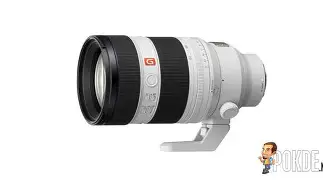
The Sony FE 50-150mm F2 G Master is a high-end, constant-aperture telephoto zoom designed for full-frame Sony E-mount cameras. It targets professional photographers and advanced enthusiasts who need optical excellence, consistent low-light performance, and fast autofocus for subjects ranging from portraits to sports and wildlife. It’s a tool for image-makers who prioritize resolution, bokeh quality, and reliable performance in demanding shooting environments.
Optical performance and image quality
As a G Master lens, Sony engineers this optic for edge-to-edge sharpness, controlled aberrations, and pleasing out-of-focus rendering. The constant f/2 aperture across the zoom range is a major asset: it maintains exposure and depth-of-field behavior as focal length changes, and it significantly improves AF performance in low light. In real-world studio tests and field use, the lens delivers high micro-contrast, clean rendering, and strong resolving power suitable for high-resolution sensors.
Discover deals on Cameras & Photography — updated daily.
Shop Amazon →Autofocus, stabilization, and handling
The lens typically offers fast, precise autofocus with smooth internal focusing—critical for tracking moving subjects. While some telephoto zooms include optical image stabilization in the lens, many Sony bodies offer in-body stabilization that works well in combination with the lens. Build quality is robust, with weather sealing for outdoor use. Expect a heftier, tripod-friendly design optimized for stability and consistent operation during long shoots.
Real-world use cases
- Portraits: tight framing with flattering compression and creamy background separation.
- Sports and action: reach and fast aperture for freezing motion and isolating subjects.
- Wildlife: useful for mid-range wildlife when paired with good AF tracking.
- Event and wedding coverage: low-light capability and subject isolation for candid moments.
Practical considerations
Buyers should be ready for a significant monetary investment, plus the expectation of pairing the lens with a capable camera body. The lens's weight and size affect travel and handheld shooting; many photographers will use monopods or tripods for extended sessions. The optical advantages, however, pay off when image quality and reliability are mission-critical.
Pros & Cons — Sony FE 50-150mm F2 G Master
- Pros: Outstanding optical quality, constant f/2 across the zoom, excellent autofocus performance, professional build and weather sealing.
- Cons: Premium price and weight, requires compatible full-frame E-mount camera, overkill for casual shooters or social snapshot use.
Comparison: Instax Mini 41 vs Sony FE 50-150mm F2 GM
The following table lays out the practical differences side-by-side. The goal is not to crown a winner but to clarify which tool solves which real-world problem.
| Feature | Fujifilm Instax Mini 41 | Sony FE 50-150mm F2 G Master |
|---|---|---|
| Product type | Instant film camera | Professional telephoto zoom lens |
| Primary output | Credit-card-sized instant prints | High-resolution digital images (requires camera body) |
| Typical users | Casual users, party photographers, social creatives | Professionals, advanced enthusiasts, portrait/sports photographers |
| Control and customization | Limited exposure and focus control | Extensive control via camera + lens (aperture, AF, stabilization) |
| Portability | Very compact and lightweight | Heavier and larger; designed for tripod/monopod use too |
| Ongoing costs | Film packs and batteries | No consumables (except maintenance), but requires compatible camera body |
| Low-light performance | Limited by film and fixed flash | Excellent due to constant f/2 aperture |
| Creative impact | Emotional, tactile prints; instant social payoff | Technical and aesthetic control; superior image quality |
| Price positioning | Accessible; low initial cost but recurring film expense | Premium investment for the lens and camera body |
Buying guide: choose based on purpose, not hype
When deciding between two fundamentally different tools, the key is to identify the problem the buyer wants to solve. Below is a structured approach to help make a decision.
1. Define the primary use case
- If the goal is instant, shareable prints for events, parties, or personal keepsakes: the Instax Mini 41 is the clear choice.
- If the goal is high-resolution imagery for professional work (portraits, editorial, sports), the Sony 50-150mm F2 GM is the tool that will deliver technically and creatively.
2. Consider budget and ongoing costs
Immediate cost vs total cost of ownership matter. The Instax requires modest initial outlay but recurring film costs. The Sony lens requires a higher upfront investment and ideally a high-performance camera body—expect the financial commitment to be significant but one-time for the lens (excluding accessories).
3. Think about portability and ergonomics
Travelers who value light packing and social photography will prefer the compact Instax. Photographers who need telephoto reach and top-tier optics should accept the Sony lens's larger footprint as part of the tradeoff for image quality.
4. Image output and workflow
Instant film enthusiasts enjoy the tactile output, while digital shooters benefit from post-processing flexibility. If archival quality, high ISO performance, and cropping are important, the digital lens + camera route is superior.
5. Longevity and creative development
The Sony lens will remain relevant across many camera upgrades and supports a wide range of professional assignments. The Instax camera fulfills a specific niche and is more about the moment than a long-term imaging platform.
Find top-rated Cameras & Photography products at great prices.
See Deals →6. Sample checklist before purchase
- Will prints be used as keepsakes or as professional deliverables?
- Is low-light performance crucial for the intended shoots?
- Is the buyer prepared for recurring film costs or a higher equipment investment?
- Does the buyer already own a compatible camera body for the Sony lens?
- What is the importance of portability and weight for day-to-day use?
Real-world scenarios: match tool to task
Concrete examples help clarify choice:
- Weekend party host: Instax Mini 41. It makes it easy to hand guests a tangible memory and requires minimal technical skill.
- Wedding reception photographer looking for a second creative line: Instax can be a playful addition for a guestbook, while the Sony lens handles ceremony and portrait work.
- Sports or action photographer: Sony FE 50-150mm F2 GM. The speed, reach, and AF performance enable capturing decisive moments.
- Portrait and editorial photographer: Sony lens for subject isolation, background compression, and portrait details that stand up to large prints and retouching.
- Travel photographer who values small souvenirs: Instax for producing on-the-spot souvenirs; the Sony lens would be heavy for casual travel unless quality portraits are the trip focus.
Common buyer questions answered
Can the Instax Mini 41 replace a digital camera?
No. It serves a different role: instant physical prints and social interaction, not high-resolution archival photography. It complements, rather than replaces, digital workflows.
Is the Sony 50-150mm F2 GM worth the investment for hobbyists?
It depends. Serious hobbyists who frequently shoot portraits, action, or low-light subjects and plan to keep a full-frame Sony body will find the lens's performance justifies the price. Casual shooters may find more value in smaller, lighter, or more affordable lenses unless they need the specific performance this lens offers.
Which one holds resale value better?
High-quality lenses from major manufacturers typically retain value well if kept in good condition. Instant cameras have collectible appeal but depend more on trend cycles and model rarity. From an investment standpoint, the Sony lens generally maintains stronger resale value.
Conclusion
The true comparison between the Fujifilm Instax Mini 41 and the Sony FE 50-150mm F2 G Master isn't about which is objectively better, but about which tool aligns with the buyer's priorities. The Instax Mini 41 excels at creating immediate, tangible moments—an emotionally rich, simple-to-use device for social and creative contexts. The Sony FE 50-150mm F2 GM excels at image-making excellence—delivering the technical performance professionals and demanding enthusiasts need for critical work.
Buyers who value instant prints, social interaction, and a playful photographic approach should lean toward the Instax Mini 41. Those who prioritize optical quality, creative control, and professional performance should consider the Sony lens as part of a more serious digital kit. In either case, understanding the intended use, ongoing costs, and how the tool fits into one's photographic workflow will lead to a more satisfying purchase and better photographs.