Spec Battle: Qn800A 8K Qled vs A6 A65K — Is It Worth Upgrading?
The landscape of home entertainment has shifted dramatically over the last few years, moving from a standard focus on 4K resolution to a complex ecosystem where backlight algorithms, panel types, and peak brightness levels often matter more than raw pixel counts. In this "Spec Battle," we examine two televisions from very different ends of the technological spectrum: the Samsung QN800A Neo QLED 8K and the Hisense A6 / A65K series. While one represents a previous-generation flagship push into the 8K future, the other serves as a modern, budget-friendly 4K workhorse designed for mass-market appeal.
Choosing between these two models involves more than just looking at a price tag or a resolution sticker. It requires an understanding of how Neo QLED Mini-LED technology handles light compared to traditional Direct-Lit LED systems, and whether the processing power of an 8K flagship still holds up against a newer, entry-level 4K smart TV. This comparison aims to dissect the internal hardware, the viewing experience, and the long-term value proposition for consumers who may be considering whether to jump to the high-end secondary market or stick with a brand-new budget offering.
The Evolution of Display Technology: Mini-LED vs. Standard LED
To understand the Samsung QN800A, one must understand the "Neo" in Neo QLED. This model utilizes Mini-LED technology, which replaces traditional large LEDs with thousands of microscopic LEDs. Because these light sources are significantly smaller, Samsung is able to pack many more of them into the backlight array, resulting in hundreds of independent local dimming zones. This is critical for 8K displays because higher pixel density requires more precise light control to prevent "blooming"—that distracting halo effect seen around bright objects on dark backgrounds. The QN800A was a pioneer in this category, offering a level of contrast that bridged the gap between traditional LCDs and OLEDs.
Conversely, the Hisense A65K (often categorized within the A6 series depending on the retailer) utilizes more traditional lighting. It is generally a Direct-Lit or Full Array LED system without the sophisticated zone-by-zone control of a Mini-LED panel. While it provides a clear, bright picture that satisfies most casual viewers, it lacks the surgical precision of the Samsung. The A65K is built on the philosophy of "effective simplicity," providing accurate colors and decent 4K clarity without the astronomical manufacturing costs associated with 8K panels and local dimming controllers.
Detailed Product Analysis: Samsung QN800A 8K Neo QLED
The Samsung QN800A arrived as part of Samsung’s aggressive 8K rollout, emphasizing the Neo Quantum Processor 8K. This processor is the "brain" of the operation, tasked with the Herculean effort of upscaling lower-resolution content—which still accounts for 99% of available media—to fit the 33 million pixels on an 8K screen. The QN800A features the "Infinity One" design, which is remarkably slim and utilizes the One Connect Box. This external box houses all the HDMI and power connections, leaving only a single transparent cable running to the TV itself, a feature highly coveted by home theater enthusiasts who value a clean, cable-free aesthetic.
In terms of performance, the QN800A is a brightness powerhouse. Its peak brightness levels far exceed what is found in entry-level TVs, making it an excellent choice for bright living rooms with significant sunlight. The inclusion of an anti-reflective coating and wide viewing angle layers ensures that the picture remains consistent even if a person is sitting off-center. However, as an 8K TV from a few seasons ago, it does face the reality that native 8K content is still largely confined to YouTube clips and specialized demo reels. Its value relies heavily on its upscaling prowess and its high-end backlight system rather than the resolution itself.
Pros and Cons: Samsung QN800A
- Pro: Incredible peak brightness and HDR performance that makes highlights "pop" in a way budget TVs cannot replicate.
- Pro: The One Connect Box makes wall-mounting extremely professional and clutter-free.
- Pro: High-end gaming features, including multiple HDMI 2.1 ports for 4K/120Hz gaming and Variable Refresh Rate (VRR).
- Pro: Superior motion handling and upscaling algorithms that make 1080p and 4K content look sharper.
- Con: Expensive compared to modern 4K sets, even on the refurbished or clearance market.
- Con: Occasional "local dimming lag" where the backlight struggles to keep up with fast-moving bright objects on dark backgrounds.
- Con: 8K resolution remains largely a future-proofing feature with minimal current native content support.
Detailed Product Analysis: Hisense A65K 4K LED
The Hisense A65K represents the peak of "value-tier" engineering. Released more recently than the QN800A, it benefits from the maturation of 4K technology. While the Samsung is a luxury vehicle with every bell and whistle, the A65K is the reliable commuter car. It typically runs on the Google TV platform, which many users find more intuitive and app-rich compared to Samsung's proprietary Tizen OS. The Google TV integration allows for seamless voice search and a personalized home screen that aggregates content from various streaming services with high efficiency.
Visually, the A65K delivers exactly what a 4K buyer expects: sharp images, realistic color reproduction via Wide Color Gamut technology, and support for HDR10 and Dolby Vision. The inclusion of Dolby Vision is a notable advantage over the Samsung, as Samsung traditionally refuses to support the format, opting instead for HDR10+. For movie lovers who stream primarily from Netflix or Disney+, Dolby Vision support on the Hisense can actually result in better-optimized HDR scenes than the more expensive Samsung might show in the same apps.
Shop the latest TVs & Home Theater picks on Amazon.
Browse Now →Pros and Cons: Hisense A6 / A65K
- Pro: Exceptional value-for-money, allowing buyers to get a much larger screen size for a fraction of the cost of an 8K flagship.
- Pro: Supports Dolby Vision, the industry-standard HDR format for streaming and Blu-ray content.
- Pro: Google TV interface is snappy, user-friendly, and offers the widest selection of streaming applications.
- Pro: Lightweight and easy to set up, with low input lag for casual gaming.
- Con: Lacks local dimming, meaning blacks can look greyish in a dark room.
- Con: Much lower peak brightness; the screen may struggle to fight off glare in very sunny rooms.
- Con: 60Hz native refresh rate is less ideal for professional gaming or high-speed sports compared to the 120Hz on the Samsung.
Direct Specification Comparison
Comparing these two is a study in contrasts. The following table highlights the hardware differences that dictate the viewing experience.
| Feature | Samsung QN800A | Hisense A65K |
|---|---|---|
| Native Resolution | 8K (7680 x 4320) | 4K (3840 x 2160) |
| Backlight Type | Neo QLED (Mini-LED) | Direct-Lit LED |
| Local Dimming | Yes (High Zone Count) | No |
| Refresh Rate | 120Hz | 60Hz |
| HDR Formats | HDR10, HDR10+, HLG | HDR10, Dolby Vision, HLG |
| Smart Platform | Tizen OS | Google TV |
| HDMI Version | HDMI 2.1 (All Ports) | HDMI 2.0 / 2.1 (Limited) |
| Design | Infinity One (Ultra Slim) | Standard Bezel-Less |
Use Case: Who Should Choose the Samsung QN800A?
The Samsung QN800A is designed for the enthusiast who wants a centerpiece for a dedicated media room. If you are someone who watches a lot of 4K Blu-rays or uses a high-end PC for gaming, the 8K upscaling and 120Hz refresh rate provide a level of fluidity and "texture" that the Hisense simply cannot match. The Mini-LED backlight is arguably the biggest seller here. In a dimly lit room, the ability of the TV to keep the black bars of a movie perfectly dark while the center of the screen glows with intense HDR highlights is a transformative experience.
Furthermore, the QN800A caters to the aesthetic-conscious buyer. The One Connect Box is a niche but powerful tool for those who want their TV to look like a piece of art on the wall. Integrating this TV into a high-end smart home setup via Samsung SmartThings also offers a level of ecosystem synergy that Hisense lacks. You are buying a piece of hardware that was designed to be the "best of the best" at the time of its release.
Use Case: Who Should Choose the Hisense A65K?
The Hisense A65K is a practical choice for the "everyday" viewer. This is the TV for the bedroom, the guest room, or the living room of a person who primarily streams sitcoms, news, and the occasional movie. Buyers typically care about the ease of use, and with Google TV built-in, the A65K is incredibly simple to operate. You don't need an external streaming stick; everything is right there.
From a budget perspective, the A65K is a winner. For the price of a used or clearance QN800A, you might be able to buy two A65K units or upgrade to a massive 75-inch or 85-inch version of the Hisense. For many families, screen size provides a greater "wow factor" than the incremental difference between 4K and 8K resolution. If you aren't a hardcore gamer and you don't mind that the blacks aren't "inky," the A65K provides a very respectable picture that will look great for 90% of content consumption.

Buying Guide: Is the 8K Upgrade Worth It?
When standing in a showroom, 8K TVs always look better because they are running tailor-made "beauty reels" designed to show off the pixel density. However, in the real world, the "worth" of an upgrade from a standard 4K set like the A65K to an 8K set like the QN800A depends on three main factors: screen size, seating distance, and light control.
1. Screen Size and Seating Distance: The human eye has limits. On a 55-inch or 65-inch screen, most people cannot distinguish between 4K and 8K from a standard sofa distance (8–10 feet). To truly appreciate the 8K resolution of the QN800A, you really need to be looking at a 75-inch or 85-inch model, or sitting significantly closer than usual. If you are buying a 65-inch TV, the "upgrade" to 8K pixels is less important than the upgrade to the Mini-LED backlight.
2. Gaming Considerations: If you own a PlayStation 5, Xbox Series X, or a high-end RTX-powered PC, the Samsung QN800A is a massive upgrade over the Hisense A65K. The jump from 60Hz to 120Hz makes a world of difference in fast-paced shooters and racing games. The Samsung also supports Motion Xcelerator Turbo+, which reduces input lag to nearly imperceptible levels. The Hisense is fine for "Animal Crossing" or "Madden," but for competitive gaming, the Samsung is in a different league.
Find top-rated TVs & Home Theater products at great prices.
Shop Amazon →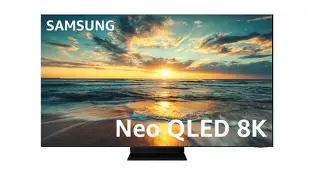
3. The Dolby Vision Dilemma: It is important to note that most premium streaming content on Netflix, Apple TV+, and Disney+ is mastered in Dolby Vision. The Hisense A65K supports this; the Samsung QN800A does not. Samsung's HDR10+ is a capable competitor, but it is less common. This means that ironically, in some streaming scenarios, the Hisense might display "more accurate" metadata-driven brightness than the Samsung, even if the Samsung is technically a much brighter panel overall.
The Impact of Processing Power
One often overlooked aspect of the "Spec Battle" is the processor. The QN800A features the Neo Quantum Processor 8K, which uses deep learning AI to analyze images frame-by-frame. This isn't just about resolution; it's about noise reduction, edge restoration, and color mapping. When you watch an old 720p broadcast or a compressed YouTube video, the Samsung works overtime to "clean" the image. The Hisense A65K has a much more basic processor. While it handles 4K content natively with ease, lower-quality streams may look "soft" or appear with more digital artifacts (blockiness) in dark scenes compared to the high-end Samsung.
Sound Quality: A Hidden Advantage
While most buyers should eventually invest in a soundbar, the built-in audio on the QN800A is significantly better than the A65K. Samsung used "Object Tracking Sound+" (OTS+) in the QN800A, which places speakers around the frame to make the sound appear as if it is moving with the action on the screen. It creates a wider soundstage that is surprisingly effective for built-in audio. The Hisense A65K features standard downward-firing speakers that provide clear dialogue but lack the depth, bass, and spatial awareness of the Samsung. If you don't plan on adding a soundbar, the Samsung offers a much more cinematic audio experience out of the box.
Final Thoughts on Value and Longevity
The Hisense A65K is a "current" TV, meaning its software and app support are at the beginning of their lifecycle. It is a safe, smart, and fiscally responsible purchase for the average consumer. The Samsung QN800A, while representing older flagship technology, is a powerhouse that still outperforms 90% of the TVs on the market today in terms of brightness and contrast. Its 8K panel is a bet on the future, but its Mini-LED backlight is a gift for the present.
If you find a QN800A at a significant discount or are looking at the pre-owned market for a high-end experience, it is absolutely worth the upgrade for the backlight and 120Hz features alone. The 8K resolution is almost secondary to the sheer quality of the panel's construction. However, for a user who simply wants a big, sharp 4K screen to watch their favorite shows without worrying about "nits," "dimming zones," or HDMI 2.1 specs, the Hisense A65K remains a stellar उदाहरण of how far budget technology has come.
Ultimately, the "Spec Battle" shows that resolution isn't everything. The Samsung QN800A wins on raw power and light control, while the Hisense A65K wins on value, modern software integration, and format support like Dolby Vision. Buyers should weigh their environmental needs—specifically room brightness and gaming habits—before deciding if the leap to an 8K flagship is the right move for their home theater.